We left Part 2 having not physically left Part 2. We rose still in Hahndorf on Day 18, breakfasted, clipped the panniers mostly laden with pre-laundry back on the bikes, and hit the road to reach the terminus of the journey, Kangaroo Island, although without the rest of the family flying in as originally planned due to The ‘Rona. Perhaps obviously, a ferry is required to reach the island so the schedule destroyed some personal freedoms, 1pm was the fixed commitment but it is only 1½ hours away so no need for crack of dawn panic. We trundled in a direct line to Cape Jervis through Meadows, Willunga Hill, and Myponga, the last a strange name from an Aboriginal word which apparently means either “divorced wife” or “high cliffs” according to the A-Z of South Australian town names website. Perhaps the meaning became confused when the ex-husband’s statement was being taken down at the local police station.
Expectations of a phalanx of quirky cafes in Cape Jervis were crushed on our early arrival into the fairly stark town, maybe the coffee available on the ferry is so good that they can’t compete. After some artistic shots of the bike near the lighthouse, we headed back to the combo service station, pub, and general store for a coffee because it was the only place that looked like it could provide one. It could, and it had a shelf full of toilet paper which was a clear measure of the number of people who ever went in there as some looked like it had been manufactured in the Socialist Federal Republic of Yugoslavia.
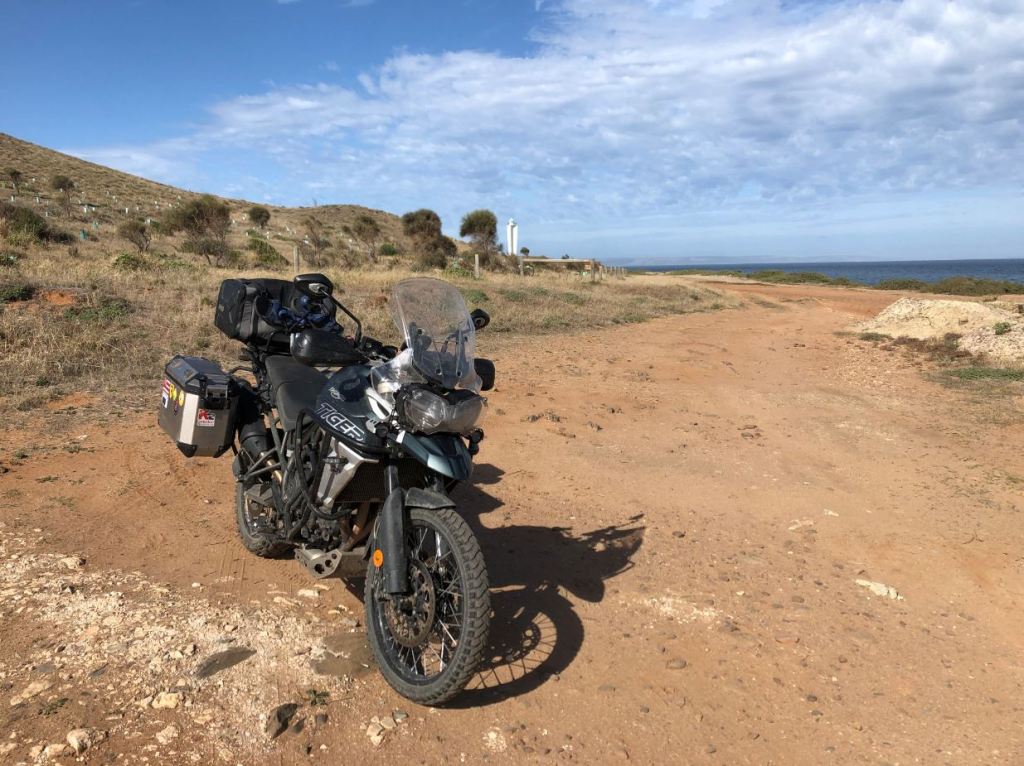
Amused by the constant stream of stories of country youth insanity from the young bloke behind the counter, we headed down to the ferry terminal where the first “social distancing” experience was had. A rope had been put up 1.5m (or perhaps 0.82 fathoms in keeping with ferry units of measure) from the counter (perhaps person-jetty) to keep the customers at bay. Having avoided a back injury stretching for the tickets, Cindy distributed them and we geared up for the 100m ride onto the ferry. Cindy was first on as per motorcycle ferrying expectations, while I was punished for some reason and not allowed on until last. The Kangaroo Island ferry turns out to be a non-drive thru, so beware anyone towing a big caravan, you will need to be a very precise backer-upperer to avoid total humiliation.

Social distancing protocols continued on the ferry with every second seat marked with a cross, which was a bit un-necessary given the total lack of passengers. Almost no homework had been done on Kangaroo Island, so the 45 minute voyage at least gave us an opportunity to get some information on where to go and what to see and do. The island is a lot bigger than first thought, about 145km long and 50km wide, with most of the settlements on the northern coast. Cindy had booked a coastal villa at American River, and the availability of stuff there was a bit of a mystery so we decided the ferry terminal town of Penneshaw was ideal for lunching and stocking up with groceries.
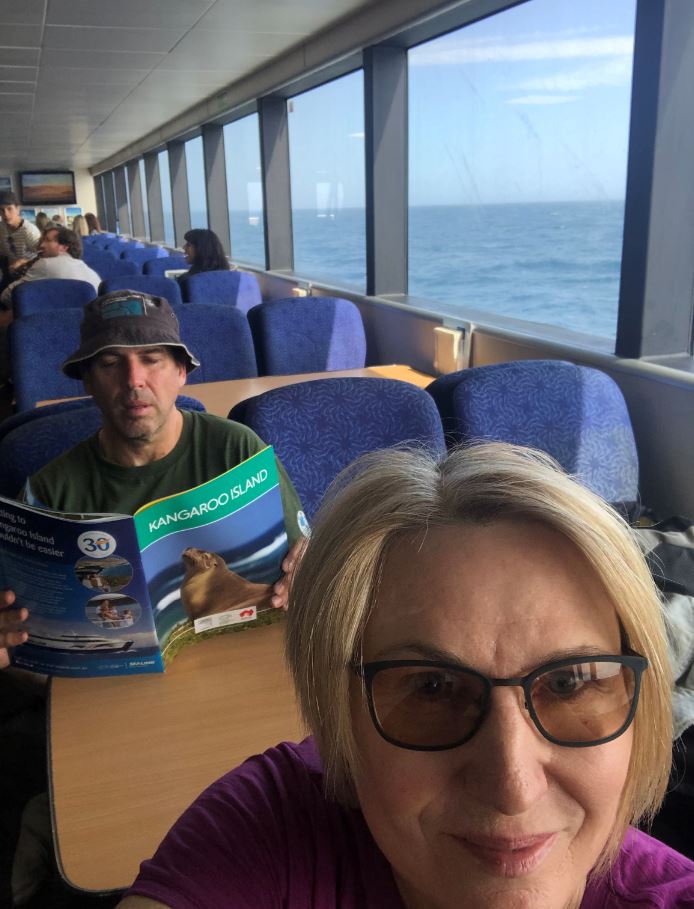
More new social distancing rules were in play at the Penneshaw café, only a certain number of people were allowed to sit inside but again a lack of punters didn’t stress the situation. Groceried up, we hit the Hog Bay Road for the half hour ride to American River. Kangaroo Island was very obviously part of the mainland up until 10,000 years ago and is mainly just normal looking farmland. An interesting historical note for Kangaroo Island is that there were no Aboriginal people at the time the first Europeans and Americans showed up, and probably why there are a lot of kangaroos as they’d had 2,000 years to breed up unmolested and get prepared to threaten motorcyclists. Pulling in to American River, we just missed out on the Oyster Farm shop opening hours, so went to the arranged Kangaroo Island Coastal Villas nearby. Expectations of a gushing reception at the front desk of the 14 villas facility were misplaced, there was no sign of anything animal, mineral, vegetable, or front desk. A wander out the front to get the phone number off the sign board, a conversation with someone responsible who was not expecting anyone, and we happily found ourselves the sole occupants of the park in the premier villa. The lack of people meant that there was no queue for the laundry facilities, which we now needed like a patch for a Hole in the Head, which assumes we’d already received a Hole in the Head which we didn’t need. You know what I mean.

Day 19 was a day of focus. We’d only given ourselves one full day on Kangaroo Island so the usual adventure rider’s habit of drifting along expecting things to literally or figuratively leap out in front of us wouldn’t work. Firstly a blast further west to Kingscote, the biggest town on the island and therefore most likely to have the largest range of coffee establishments. A wander down to the jetty in the dashed hope that something would literally or figuratively leap out, we quickly gave up and repaired to Chocol’ Art & Coffee which seemed promising. While eating the chocol’ (happily discovered to be short for chocolate), drinking the coffee and ignoring the art we spoke with the proprietor who was a rider, and who gave us excellent tips on some “do not miss” places. Flinders Chase National Park to the very west was out due to bushfire damage, so Stokes Bay 50km away on the north coast was the best alternative in his knowledgeable opinion.
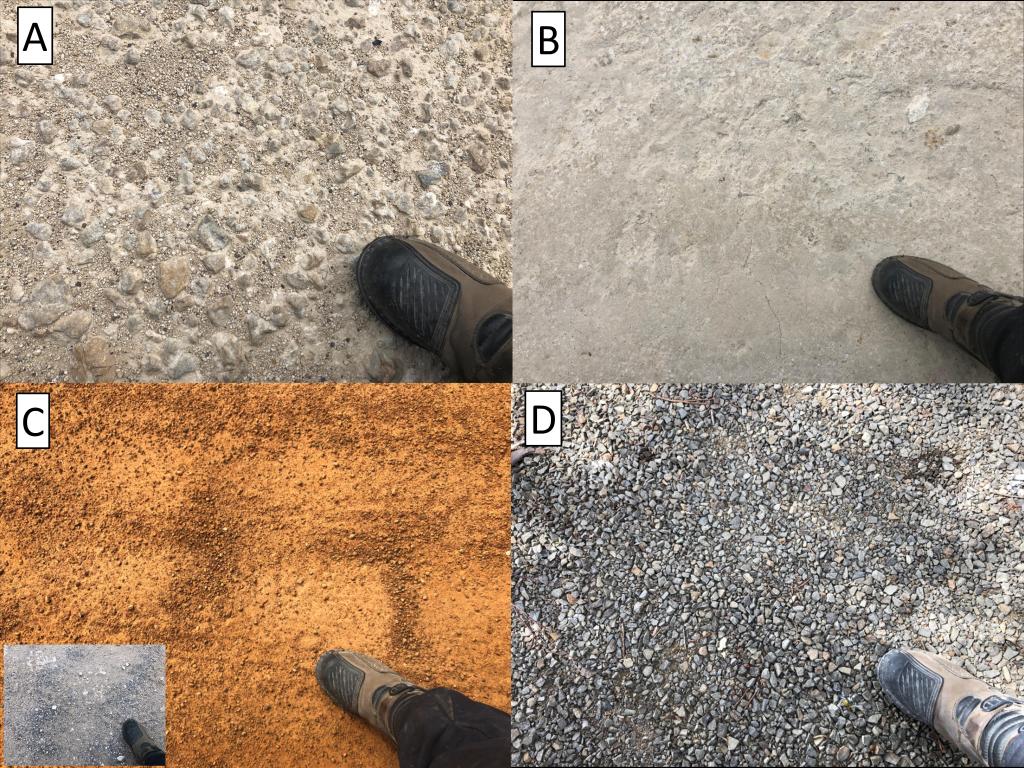
A – “Harsh Loofah”
B – “Scottish Mist”
C – “Blush Corrugated” (also available in “Polar”)
D – “Gin Distillery Car Park”
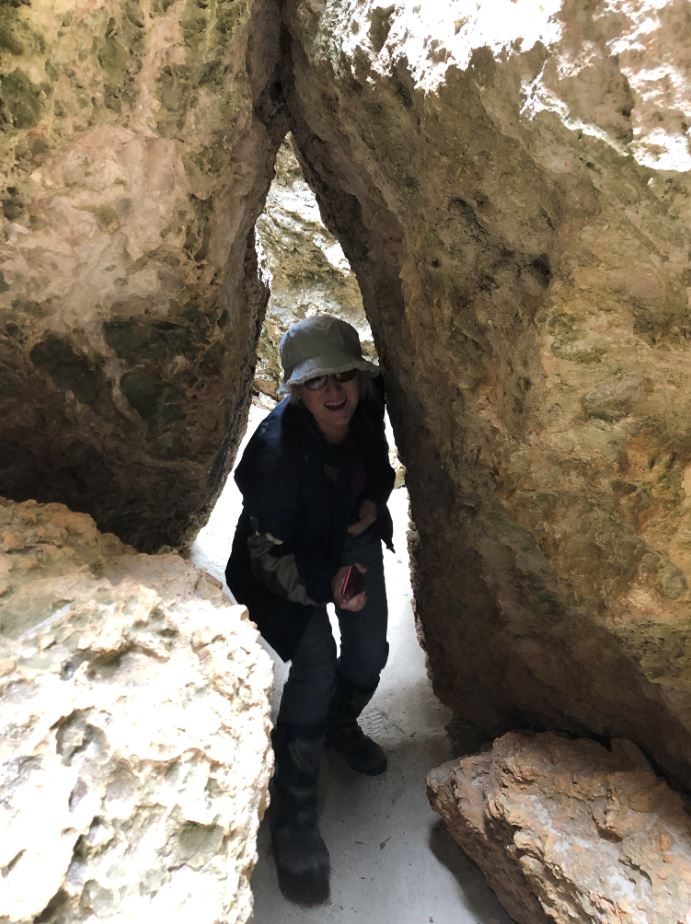
The direct road to Stokes Bay was of some concern, people had mentioned how ugly the well-used roads on Kangaroo Island could get, as most are dirt except between major centres. We needn’t have worried, “Harsh Loofah” was our introduction and probably the least slippery road surface and worst to slide down ever constructed. Stokes Bay definitely lived up to expectations, a beautiful spot although with some challenges for beach access for the non-midgets in the party, and like many places we saw during our stay on the island nearly deserted.
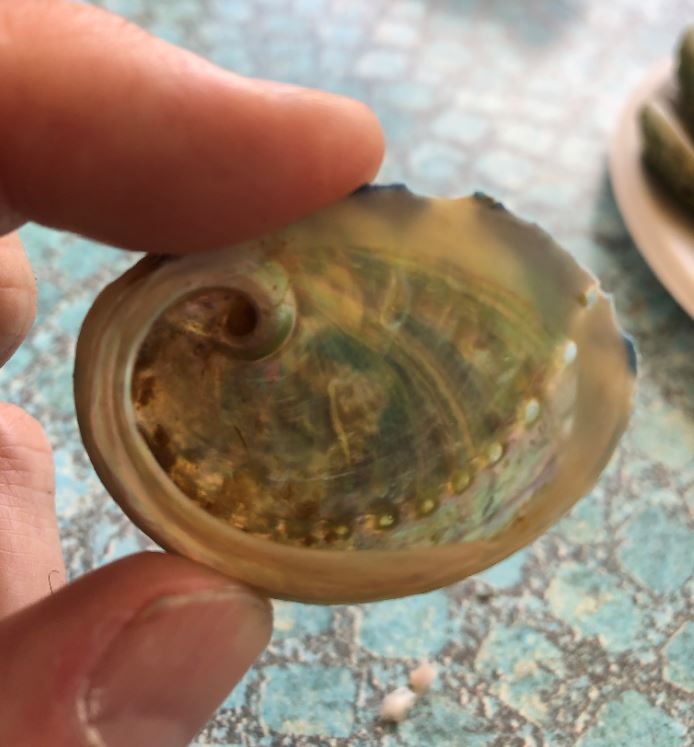
We had no alternative after Stokes Bay but to head all the way back to American River, as the Oyster Farm Shop closed at 3pm and missing it would have resulted in self-harm. With a comfortable margin, we presented ourselves for lunch and managed to work our way through several dozen oysters and abalini, a snack-sized version of one of our favourite foodstuffs – abalone.
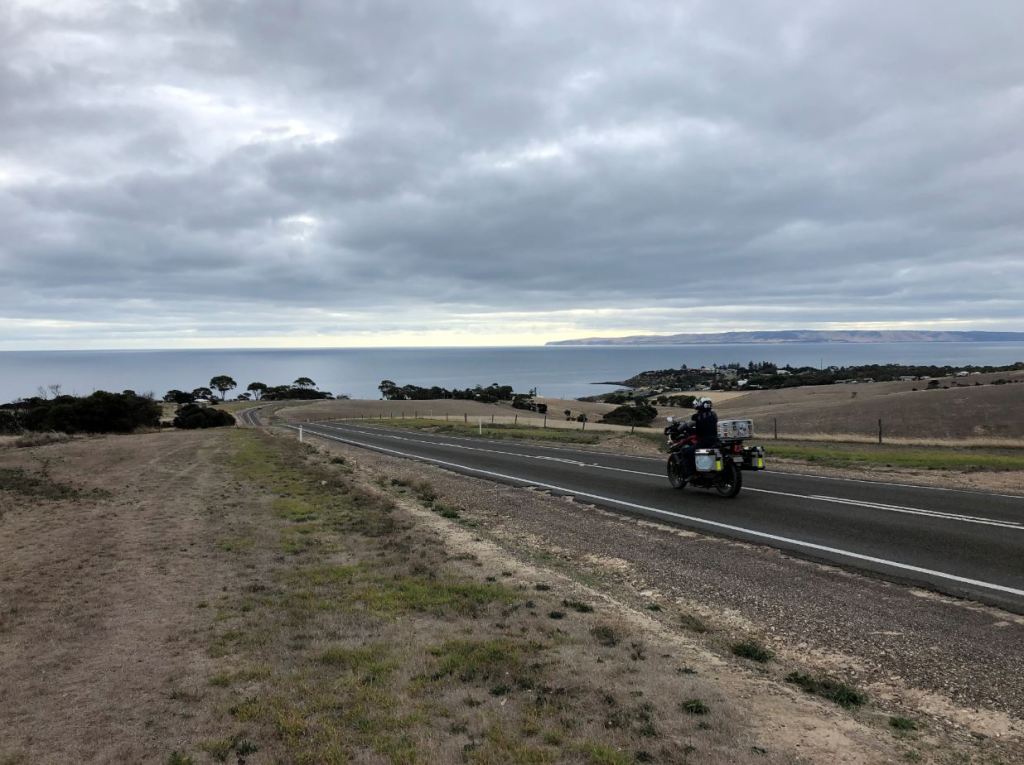
A rest back in the villa to help aid digestion, and a trip over to the gin distillery beckoned. The back road via Min Oil Road along the coast was chosen, although quickly abandoned by the party with low suspension due to extreme “Blush Corrugated”, which disappeared 100m after she had turned around and became “Scottish Mist” – officially the smoothest dirt road surface ever invented. The odd patch of “Polar Corrugated” slowed the extreme pace down a bit, resulting in both parties arriving at the Min Oil Road – Hog Bay Road intersection simultaneously. The Kangaroo Island Spirits distillery was the only crowded place on Kangaroo Island we saw – very popular with the scarce touring punters. Not wanting the trip to be totally about spirits, we took a swing past the Kangaroo Island Brewery to stock up on a few local beers, before gathering dinner ingredients in Kingscote due to the apparent total lack of cooked food available in American River after 3pm.
Day 20 was the start of the longest migration in the Bennett kingdom, with pairs of engorged Bennetts flying (within posted speed limits, officer) from the autumn abalini feeding grounds of American River and heading over 2,500km to the warmer north via the South Australian wine drinking grounds. In their freshly laundered plumage, Bennetts travel up to 600km per day between resting grounds (minimum 3-star motels) and are often seen grazing along the way in nice little cafés and even service stations if deep fried dim sims are in flower. Navigating mainly by Global Positioning System Satellites and wildly over-confident guesswork, Bennetts generally find their way but have evolved sophisticated methods to deal with navigational errors, including finger-pointing, blaming anything and everything including traffic and inanimate objects, and long periods of grumpy silence. Biologists now believe that Bennetts undertake one of the more energy efficient forms of long-distance migration and have recorded Bennetts stacking on even more weight over the journey, particularly the males, who eat like they need to be prepared for something strenuous when they arrive in the northern lounging-about grounds.

Off the ferry, we decided a detour to Victor Harbour was a good idea as we’d already done the road to Adelaide, and we could dovetail it with the lunch schedule. A wise decision, the coastline around to Encounter Bay makes for a great ride, and the King George whiting and chips from the van near the Granite Island causeway sealed the deal. Refreshed, we knuckled down for the slog north up through a warm Adelaide which has few quick bypass options. Breaking out through Gawler, we turned slightly west of north after Tarlee and punched up to Clare to finish off the day. Accommodation options were worked over at length, with numerous trips up side roads to find the magnificent boutique and exclusive but cheap apartment motel was yet another figment of Garmin’s imagination. Finally lobbing at the Clare Central, we learned of some of The ‘Rona challenges for providers of accommodation – the motel couldn’t get meat and pasta for the restaurant, less than a third of the toilet paper, virtually no cleaning products – the panic buyers via the supermarkets were getting first dibs. A socially distanced dinner of Kangaroo ravioli with a spanking Clare Valley wine at the Umbria Italian, luckily the weather was nice as we had to eat outside, and we were back at the motel to help the situation by using as little toilet paper as possible to clean our visors.

Day 21 idea was to migrate to the Flinders Ranges, another important target during the route planning process. Fears that March would be still too hot to visit were unfounded – the days were warm but the nights were cool and the riding conditions generally very pleasant. As it was a Sunday we had to find a nice town to enjoy a coffee, and Jamestown was just perfect even though J-town names are always a bit disturbing, and given the famous Jones’ first name was James then he certainly did a disservice to the good Jamestown folk. Not as big as the disservice he did in Jonestown though. Other motorcyclists were out in force, with a big mob of Harley’s crowding another café, and an adventure ride taking off from the middle of the 60m wide main street which looked to have been designed to allow 16 bullock wagons ample room to do a “you-ie”.

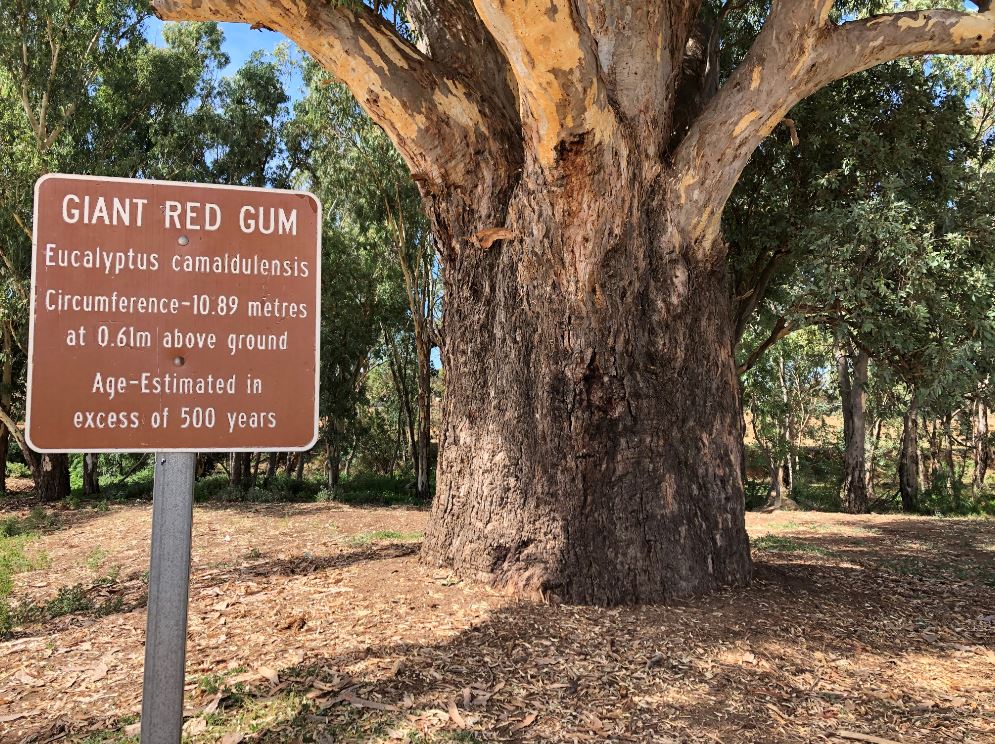
Next rest was at Orroroo, once humorously refused a post office “because there are only two letters”. The town is just north of the 1865 Goyder’s Line, an amazingly accurate boundary line between land which gets enough rain to grow crops and land which doesn’t, even with modern farming practice cropping around Orroroo appears to be only done in good years. The Orroroo golf course naturally had oil-sprayed ‘greens’, but the adjacent park was very well kept and made for a pleasant stop. After checking out the giant (more accurately just fat) red gum tree just out of town, nearly 11m around the tummy, we continued north into the true outback toward Hawker.

Hawker was reached at precisely lunchtime, which occurs from when the sun is somewhere requiring a small lift of the head to stare at. Social distancing was casual in Hawker as it is the social norm anyway, so a pleasant lunch was had at the Flinders Food Co café well separated from the few other patrons, while the plan was set for Flinders Ranges tourism. We’d originally thought staying in Hawker was the go, but a call to the Wilpena Pound Resort resulted in a better outcome as it is right in the heart of the action. A full bike maintenance was undertaken at the Hawker servo, including 20 minutes trying to weave the tyre air nozzle through the spokes in every possible way to get it to fit over the valve before giving up and buying an elbow connector. Turns out there is a game App which has the same challenge – called Wild Waste of Time.
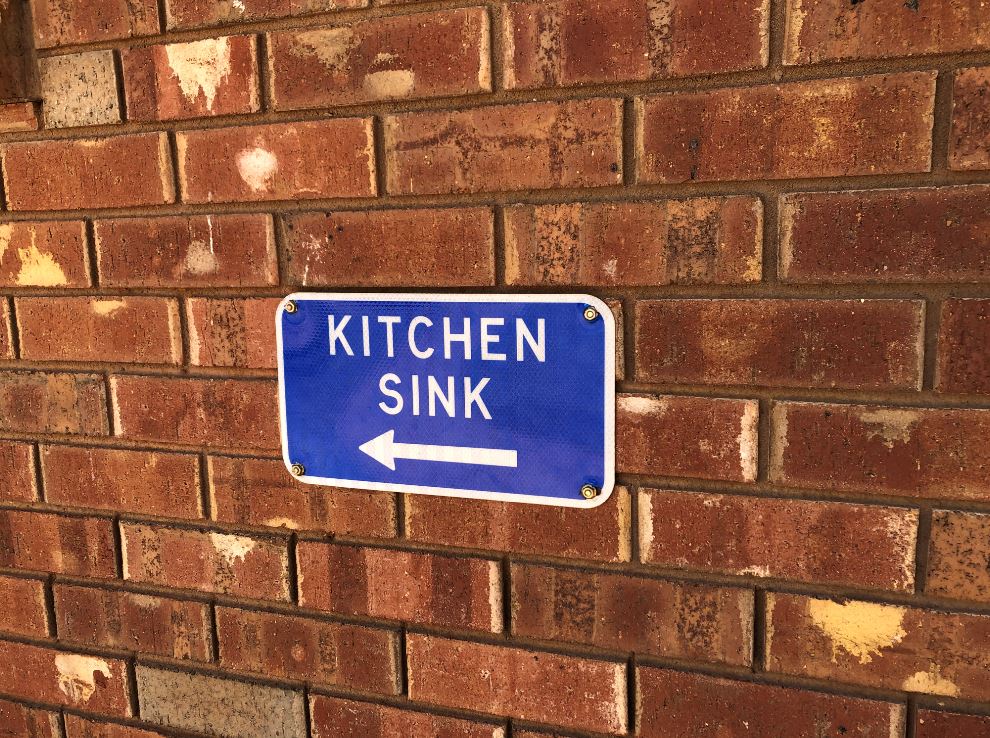
The scenery improved dramatically as we trundled the 50-odd km to the resort, with the harsh colours of greys, dark reds, greens and oranges peculiar to the Flinders Ranges becoming visible. We pulled into the resort past the service station/grocery/grog shop, not realising at the time how important it would suddenly become. No significant social distancing protocols were in effect at the resort check-in or around the pool or at the bar and there weren’t a lot of people to start with, although we had to book a precise time for dinner to allow all the guests to be cycled through without touching each other. A pleasant dinner and more South Australian wine in keeping with Grand Migration requirements and we called it a successful day.
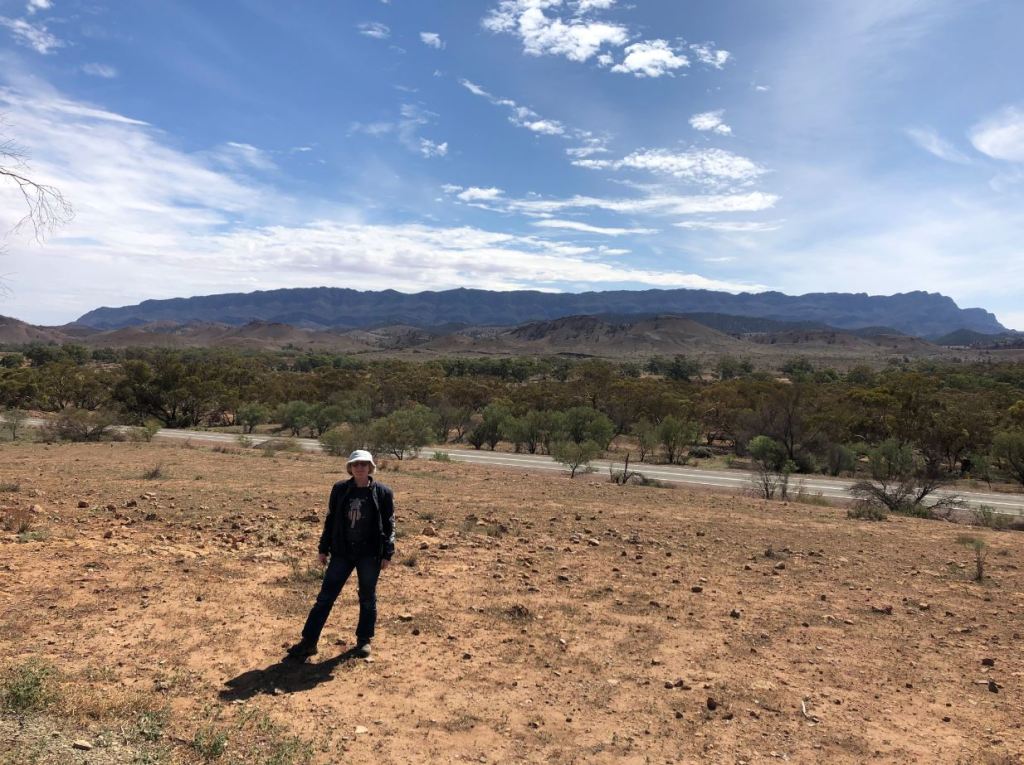
Day 22 was just our second full day off the bikes for the trip, and our last. Up at a reasonably relaxed time, the Flinders Ranges walking trails 2D map was studied with Mount Ohlssen Bagge the selected target because it looked a really short distance compared to the other walks. Hatted, shoed, and sun-screened we hit the 6.4km return trail, quickly realising that it only appeared a short distance because most of it was straight up out of the map. By our first rest break we were starting to worry that everyone else had left during the night as we hadn’t seen a single person all day, and like a migrating Arctic Tern which suddenly finds itself all alone in the mid-Atlantic, we automatically reached for the phone to call someone (or another tern) at random. Turned out we weren’t the last people on Earth, just some of the very few attacking the summit of Mt Ohlssen Bagge that day.

On foot-sore return to the resort, The ‘Rona had taken a full toll in our absence. Suddenly the restaurant could only provide take-aways, and the normal licencing laws weren’t over-ruled so no grog was able to be purchased at the bar. The biggest challenge was determining where “Away” actually starts at a resort, was it just outside in the grassed area, or around the pool? It turned out that Away was our room, which had been superbly designed to prevent guests cooking or eating inside, everyone is supposed to be going up to the restaurant and bar. Who knows what was happening at resorts without a little shop nearby, perhaps temperance, but we could make do after a trip down the road to collect essentials i.e. South Australian wines. Although it was bloody annoying and somewhat ridiculous in the middle of nowhere with hardly any people around, we could only sympathise with the distraught staff trying to implement head office interpretation of ambiguous and constantly changing government rules. Most disturbing news of all was that state borders were announced to be closing – the “who’d be going there in March anyway?” Northern Territory first, with Tasmania and more worryingly South Australia and even Queensland to follow. The race was on.

Day 23 plan was to head east with a soupçon of north. The first problem was that there are no roads east from The Flinders Ranges, so the plan had been to back-track a minimum distance down toward how-do-I-spell-and-pronounce-that-again Orroroo, leave the bitumen somewhere between Cradock and Carrieton, dirt our way across to Waukaringa, and join the Barrier Highway at Yunta. The problem was that right from the moment we left the resort the GPS started suggesting things that a Dakar rider with a full factory support crew wouldn’t venture into. After Cradock we cracked under GPS pressure and made a turn onto a road which looked really good, but like marrying a Calvin Klein model with an IQ of 60 we quickly realised initial looks aren’t everything. The road had just been graded so it was nice and flat and the common soft patches of sand weren’t visible. A couple of seriously scary and unexpected front-wheel dives with a half-twist and we decided that 200km of that on loaded bikes was either going to take three days or at least one victim, so turned around after a couple of kilometres in full retreat.

Back again through that place starting with O and containing r’s and down through Peterborough, we hit the dreaded Barrier Highway. The South Australian border was closing at 4pm, but they were only worried about people coming in so the divided road at Oodla Wirra was party our side and business the other with traffic being pulled over. The Barrier Highway is a notorious stretch of road, combining a bleak landscape and almost no scenery with the remains of literally thousands of dead kangaroos. It is also horribly straight and thus has a reputation for chewing the middle of motorcycle tyres down to the canvas. Not particularly worried about any of that, we did a Yunta lunch while remaining totally isolated from the caravanners escaping to and from South Australia and rode on through the severely depressing series of ruined hamlets that actually make closing the border merciful.

A mere 50km inside New South Wales we hit the mining town of Broken Hill, with plenty of time to find a motel amongst the streets named for minerals, unload all the gear, and make a visit out to the Mad Max 2 heritage town of Silverton.
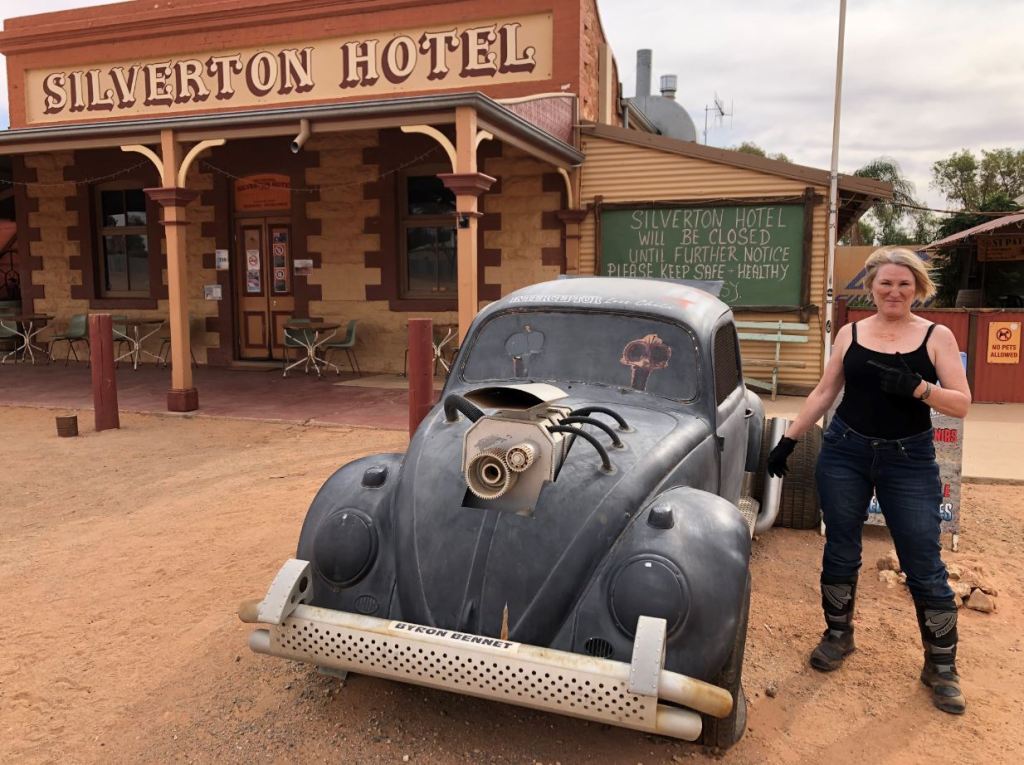
The ’Rona was now having a major impact on our adventure motorcycling routines; by Broken Hill no dining in options were available, and the pubs and bars were closed so no critical study of the locals could be made up close in their natural environment. The new routine was – go to the supermarket to buy stuff like a hot barbequed chook or something that could be heated if the motel had a microwave, plastic plates and crockery, breakfast ingredients, hit the bottlo for take-aways, and back to the motel to consume it in the room while trying not to spill it all over the bed or the freshly washed T-shirt.

Day 24 target was somewhere to the east of Broken Hill. Out in the back, the “outback” if you will, a ride by consensus strategy is recommended due to the long distances between towns, because if one member of the group wants to push on to the next and one doesn’t, then Duncan will have to back down, a “downback” if you will. The first break was at Wilcannia on the Darling River (we’re at the Darling darling!), and for a remote town it is surprisingly short on service stations. Cruising past the derelict servo, it was up and down the streets trying to find hydrocarbons in the 95 to 98 octane range, before a big queue of vans indicated some potential. Luckily van pulling machines only use diesel so we were royally escorted to our own private bowser, complete with an old local who kept us amused with his stories of life on the Darling, didn’t he darling? Punching on, the dry landscape suddenly became ridiculously green with 3 foot high grass from the rains as far as the eye could see, swarming with goats. At least 200 were grazing disturbingly close to the road for 200km heading into Cobar, adding a bit of excitement to the journey as they aren’t often run over but the occasional body indicates that accidents can happen. The lush green never disappeared for the rest of the trip which has a major advantage in that wildlife and stock have no need to hang about the road waiting to throw themselves in front of motorcycles.

Some discussion was held in Cobar over a casual take-away luncheon served on the panniers. North via Bourke, or east via Nyngan? Time was of The ‘Rona essence by now, so with Queensland border closure imminent we decided getting back in sooner was a good idea, perhaps even Cunnamulla that night. Then we checked the map and realised that would make it an 875km day, way outside Great Migration guidelines and into the “inevitable collision with wildlife” time zone. So we compromised on Bourke as the destination, the Darling River Motel to be precise. The new routine of a trip to the supermarket, back to the room to microwave and assemble whatever we’d bought, drink a Kangaroo Island beer (the final one as this had been part of previous routines), and a collapse into bed was completed on schedule.
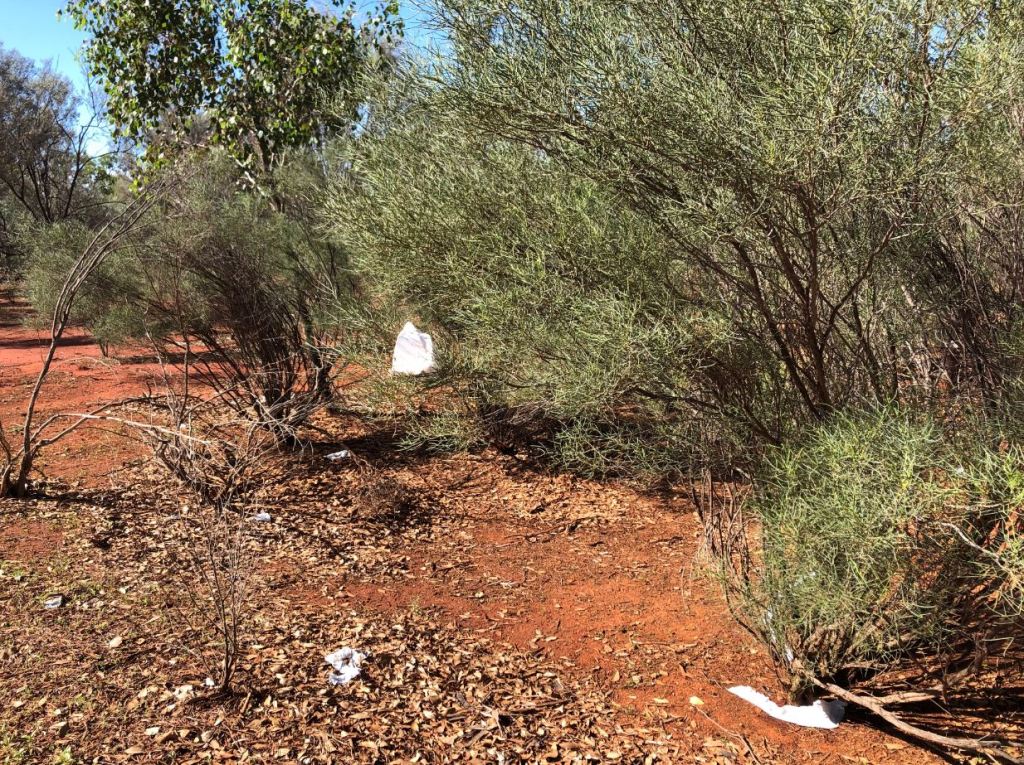
Day 25 was a repeat of 24, just 600km further along. The appreciation of how big and empty Australia is comes to the fore when travelling out in the Back ‘o Bourke, although as we were now east of Bourke we could claim the Front ‘o Bourke. Endless grassy plains and occasional towns were the order of the riding, but it takes less than an hour to do 100km so we cover a lot of ground even with regular stops for our “Buns of Natural Rubber” glutes exercise consisting of 20m walks from the bikes while doing clenching and unclenching reps.

Through the nice little town of Brewarrina where the Muddy Waters Coffee Shop was showing exactly how the management of crowds in the social-distancing era should be done – lines on the floor and a one-way system in play – we lobbed into Walgett for a traditional traveller’s lunch of four deep fried dim sims, which should have been five but Cindy ate one.

Almost completely dimmied up, we abandoned the easterly riding and took up a north-east stance to Moree. Again some discussion at the Moree servo, straight north over the border to Goondiwindi for the night in the warm bosom of Queensland or keep on east along the more pleasant and less crowded roads to Inverell? Inverell won out as we’d had quite enough highway for one trip, even though the road direction could be described as heading slightly south of east. Inverell turned out to be a good choice, the RSM Club motel was as close to a perfect motel experience as we’d ever had; the centre of town, cheap, huge Wi-Fi bandwidth, big rooms with heaps of space to spread a mono layer of slightly less than pristine gear everywhere, power points out the wazoo, and most impressive of all the best steak of the trip dinners delivered to the room. An interesting side note explained by the manager was why it was an RSM Club and not an RSL (Returned Services League) Club, what did the M stand for? Turns out that most RSL clubs aren’t actually the RSL, but came from when the RSL decided to offer cheap beer and entertainment to returned servicemen in the 1950’s. The clubs are quite divorced from the actual RSL sub-branches these days, so when the RSL was going to close down the club the members bought it and couldn’t use the RSL name so it became the Returned Services Memorial club. Just to make it even more confusing, the Inverell RSL sub-branch holds its meetings at the RSM Club.

Day 26 was the ultimate. The ride back into Queensland achieved with no sign of the imagined officials newly graduated from four years training at the Queensland State Border Customs and Quarantine Academy, we coffee’d in Texas and luncheoned in Warwick. The lunch take-away rules again had us wondering while waiting, motorcyclists have a serious disadvantage in that they don’t have cup holders (mainly) and half the fun of lunch stops is getting out of all the gear for a while, not putting it back on again to ride 200m to a park and then take it all off again. The venue manager decided that Away was literally just outside the door in the shade, designated by plonking a table down, and earned our undying respect for being a practical country bloke.

Pulling into home, the fears about being back in the city were at the front of mind – would we be able to buy groceries? How much toilet paper did we have in stock, and why hadn’t we checked the inventory before we left and if necessary bought up big at Cape Jervis? What about all the crowds swarming with The ‘Rona down at Bunnings if we needed to buy hardware? Had the cat become a vector?

But never mind about any of that, firstly Aquaman and Princess Ruby deserved a loving wash for managing the trip without a single lie-down or maintenance issue apart from one missing and insignificant Ruby bolt replaced on Kangaroo Island which likely wasn’t there when we set off.

As per tradition the South By Southwest series is dedicated to our family (not the cat, jury is still out on whether it’s a ‘Rona vector), the old and new friends at the Compass Reunion in Jindabyne and the Grampians, and new BMW friends we met in South Australia who all provide help and especially laughs. You collectively inspire us to keep going on the adventure rides so we’ll always have better stories to tell than you do.
The End.
 travellingbennetts