The late morning entry into Botswana Day 60 commenced as with all border crossings in the immigration building, as expected this was modern, clean, and relatively efficient. People leaving Botswana were over on the other side of the room, resulting in a loud conversation over the top of the officials in the centre with a couple on a BMW 800GS heading towards Victoria Falls.

Visa on arrival is free into Botswana, however third party insurance had to be purchased, in the local currency Pula. Those rolling in US$ cash were all at sea, Botswana don’t want any currency but their own. After several back and forwards between the paying window and the get the insurance form window, we were all done and released on our own recognisance with a promise to view as many of the wonders of Botswana as possible.

Botswana is the first country in Africa encountered on the tour with quarantine requirements; taking vehicles through a bath hopefully prevents foot and mouth disease transmission, and boots need to paddle in a tray filled with a muddy liquid which then causes motorcyclists to nearly slip over and lose the bike getting back on. Malaria is also still a problem in the wet season, so no let up on the daily Doxycycline pills just yet. These are hopefully effective in preventing malaria, but they make the skin very sensitive to sunburn as my legs had discovered in Zanzibar.

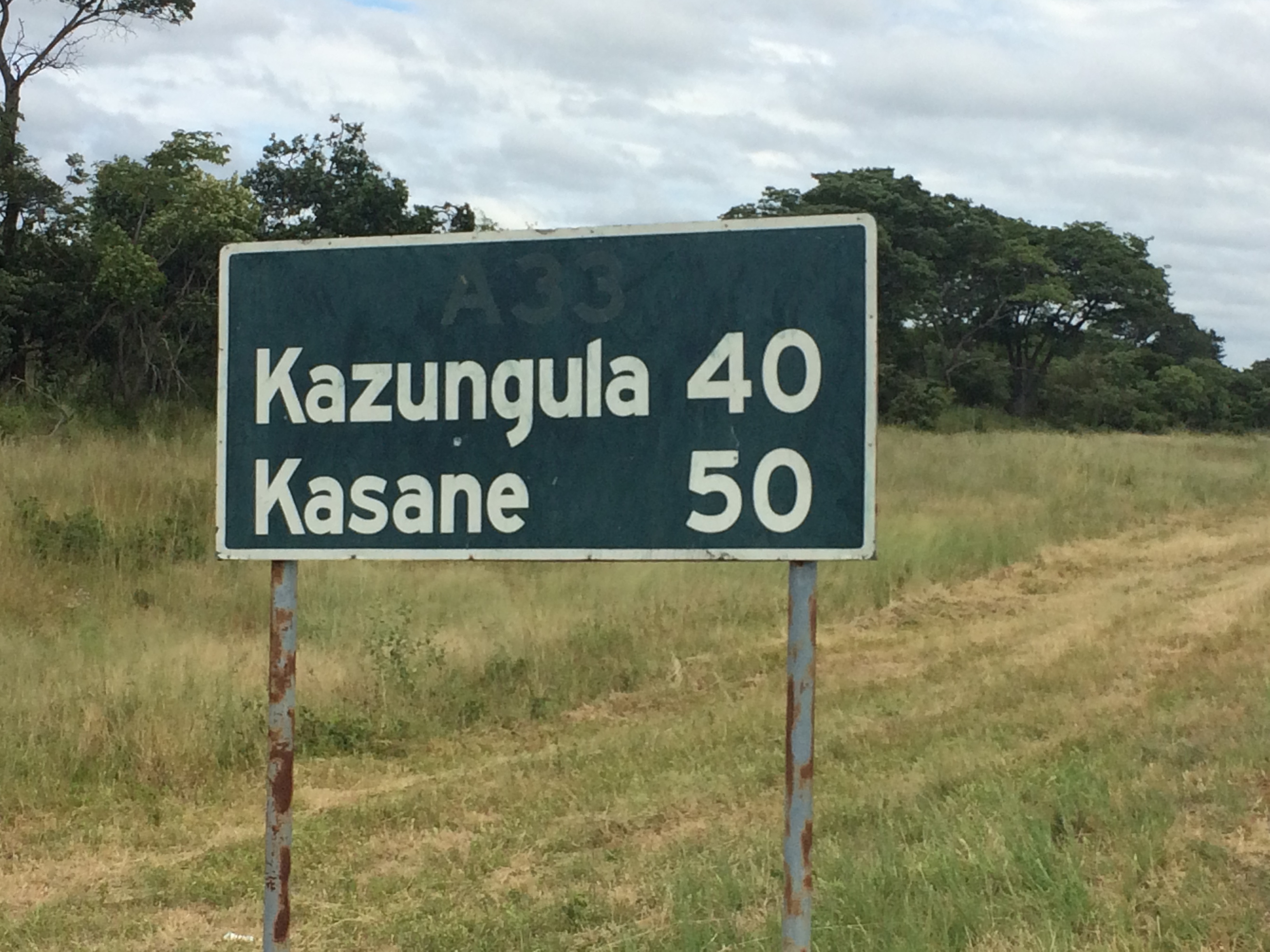
A Zambian border photo forgotten in the last instalment:

After a 10km ride into Chobe, we found an ATM to load up on Pula, then into the luxury of Chobe Bush Lodge that was our place of ritual disrobing of sweaty riding gear before hitting the pool and a quick lunch. By 3pm, we were on a Chobe River boat cruise to see the wildlife. Within a kilometre, and before an order could be made at the on-boat bar, large numbers of elephant appeared from the bush to drink from the Zambezi tributary.


Then the usual problem for wildlife occurred; their magnificent display was trumped by a boat that had become tangled in weed, suddenly all cameras were pointed in that distracting direction. The digital shutters going off could only be compared in intensity to a gala red carpet event with Kim Kardashian getting out of the limo having forgotten to put her pants on. Eventually the captain had no choice but to disembark over the side into the 1m deep swamp, and pulled the boat out to applause from the fleet of watching vessels. No more boring elephants were bothered to be photographed that day.
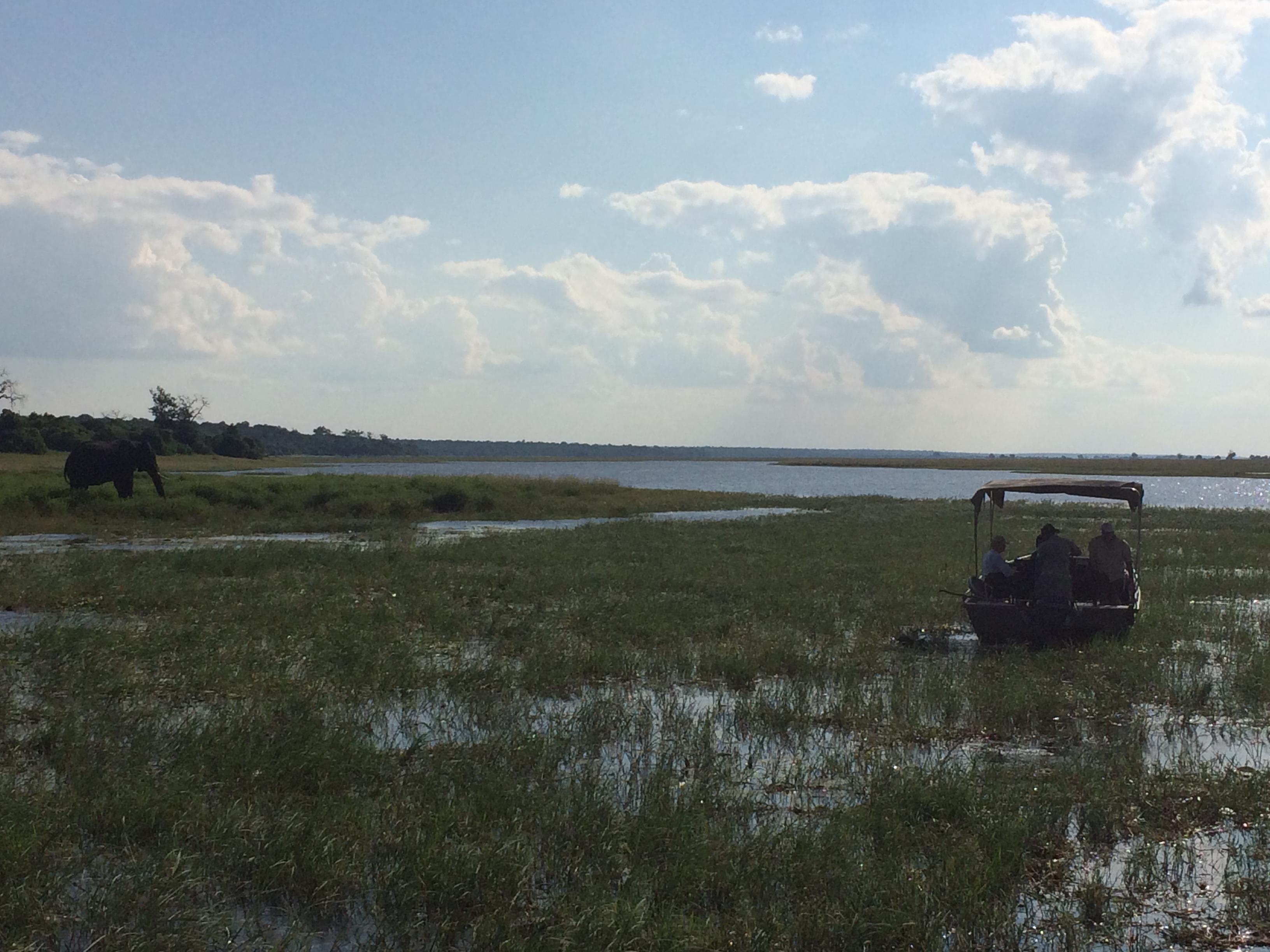

We sailed a lap around Sedudu Island which sits in the middle of the Chobe River and is often submerged in the wet season, for many years disputed territory between Namibia and Botswana due to the ill-definition of the 1890 treaty between Germany (Namibia) and Great Britain (Botswana). The dispute was finally resolved in Botswana’s favour in 1999 when the thalweg (the deepest part of the main river channel) was determined by the International Court of Justice to be to the north of the mud island, putting it in Botswana territory.

After seeing a few hippos who absolutely refused to give their open mouth “money shot” presentation to us, it was back to the lodge to compare over dinner how much better one’s photos were than all you other losers pathetic attempts, before seeing Adrian’s shots and creeping enviously off to bed.

Day 61 was back toward the Zimbabwe border through Kasane, south and then west for 406km to Planet Baobab near the small town of Gweta, which is in an area of national parks covering the salt pans. Weather was glorious, and the riding was very pleasant down good roads with a fair chance of seeing some wildlife, including elephant, giraffe, zebra, and antelope.
Road speed limits are fairly generous in Botswana, 120kmh out on the open highway. Therefore stopping can take a while so the head was swivelling wildly to try to catch a glimpse of any wildlife. Fortunately, elephant are a bit larger than the average road clogging goat or donkey, so there was plenty of warning and time to decide how close to get when one miraculously appeared next to the road. For goats, it is about 5m to allow for sudden impulsive behavior, donkeys are calm so about 3m, and adult cattle 1 or 2m is fine as they rarely move. My experience with safe elephant viewing was minimal, so time to do a calm U-turn had to be factored in. Whipping out the slide rule, I quickly calculated about 100m, assuming a 12-knot easterly crosswind and a wet-bulb temperature of 28.4°.
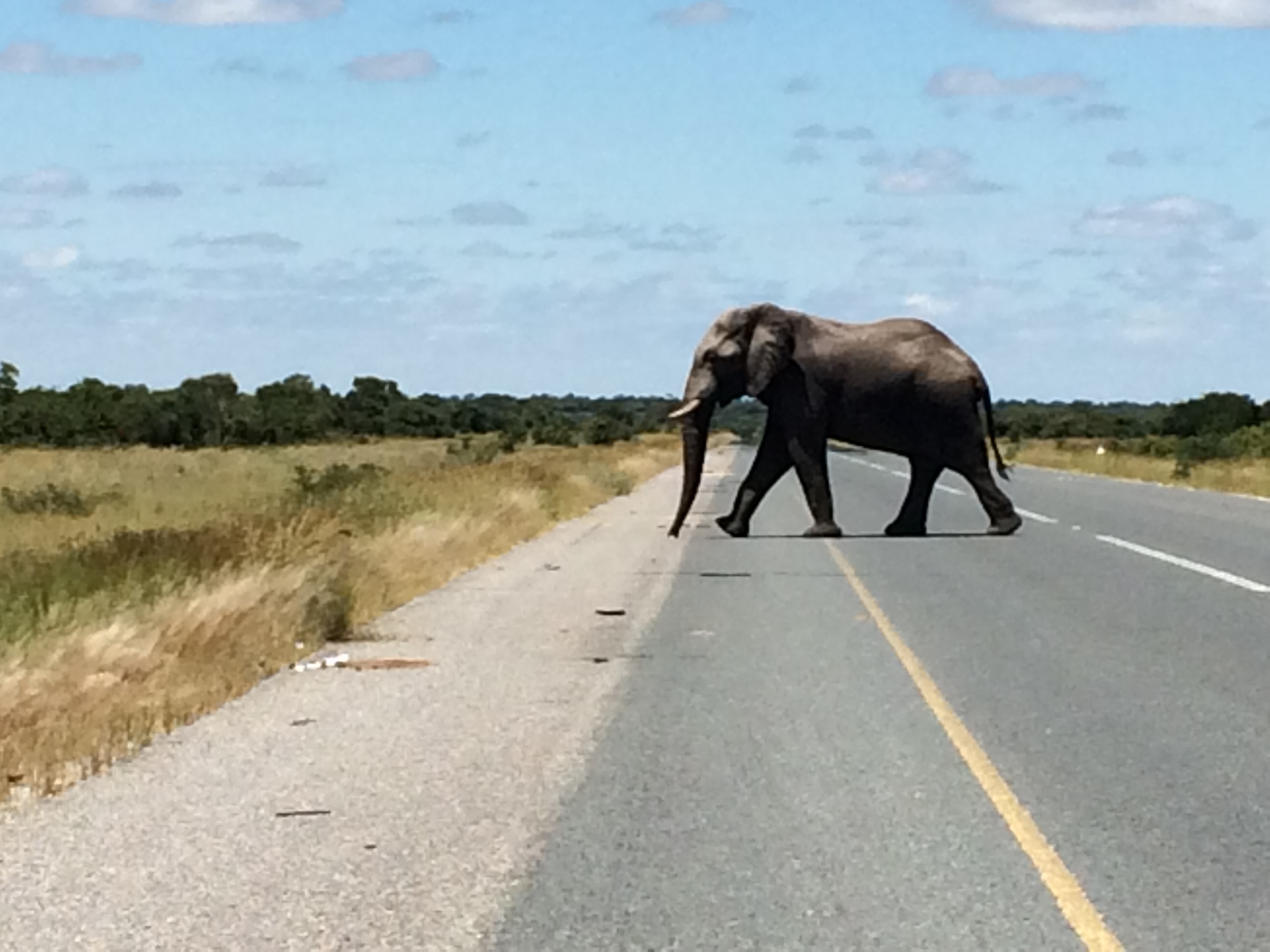
With that somewhat exciting experience safely negotiated, I stopped and waited for Cindy to proudly show her the backside of my elephant now out in the scrub, only to have her ride past and completely disregard the elephant as “old hat”, and did I see the giraffe troupe that practically put on a Broadway number back a few kilometres? No I hadn’t, so off we went to see yet more elephant just off the side of the road, happily ripping up fresh grass and trees that were in abundance.
After a ¼ chicken and chips lunch and refuel in Nata, we turned west. Things were running dryly, and then suddenly the results of the very wet season in Botswana became important to us. Lagoons by the side of the road became the norm, before the inevitable section of low hanging road that had allowed the floodwaters a crossing point. Two short sections of washed out road under 1-2ft of water were easily negotiated, before a Land Rover driver cryptically mentioned “a lot” of water ahead.
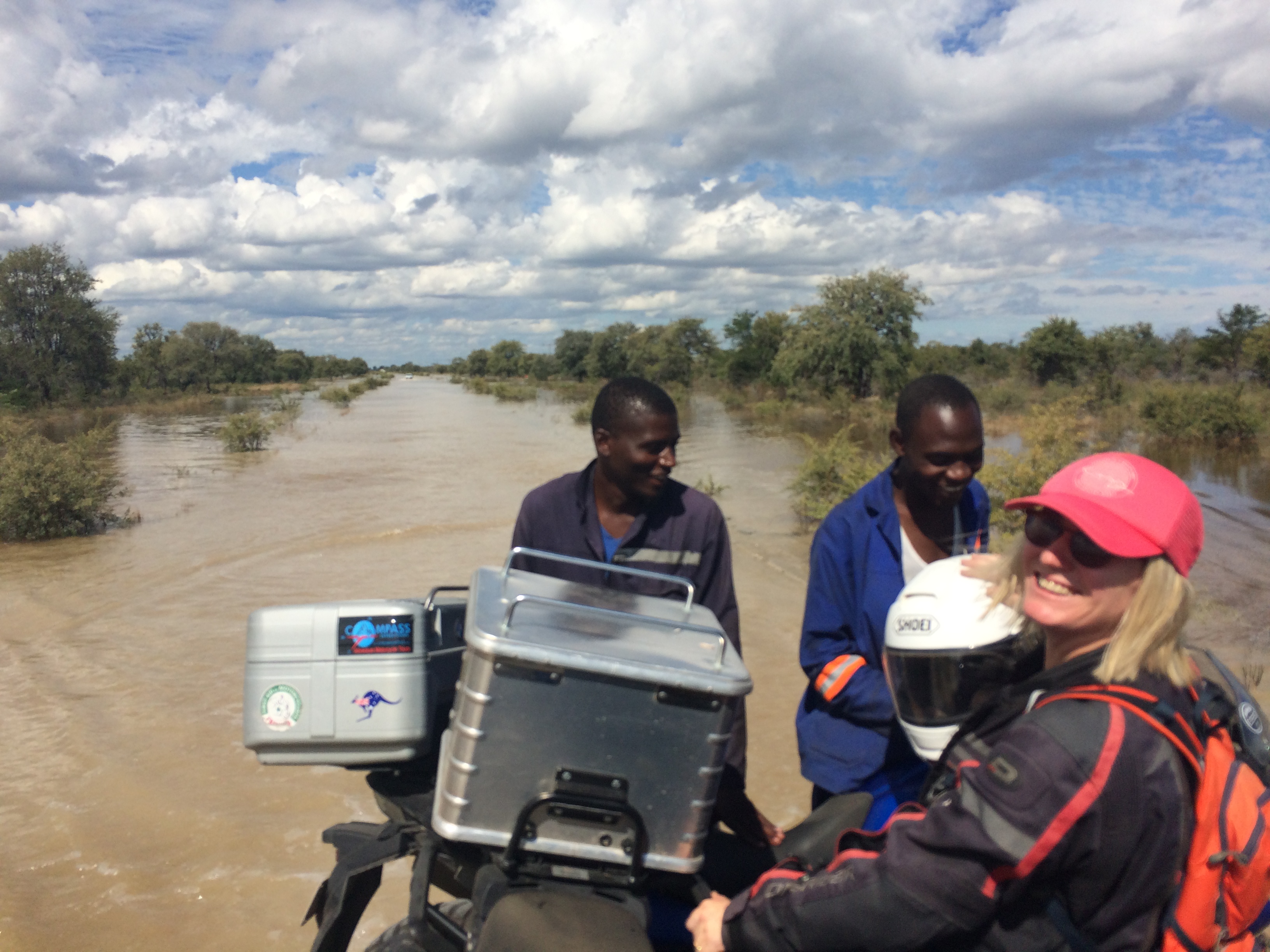
Sure enough, about a kilometre further on the sight of an endless sheet of water over the road brought us to a halt. Some local businessmen, who were charging a fee to take vehicles across on their flat bed truck, immediately approached us. Having seen people turn back from a flooded road near Kalgoorlie many years ago, and then just as I was about to turn around seeing a low suspension Torana with 5 huge blokes come through, I needed convincing that the local businessmen weren’t simply taking advantage of nervous ignorance. So a walk up the road quickly convinced us that they probably weren’t, it was pretty ugly. As they say in Queensland; if it’s flooded, forget it. Unless your accommodation is on the other side, and there is a truck to take you over.
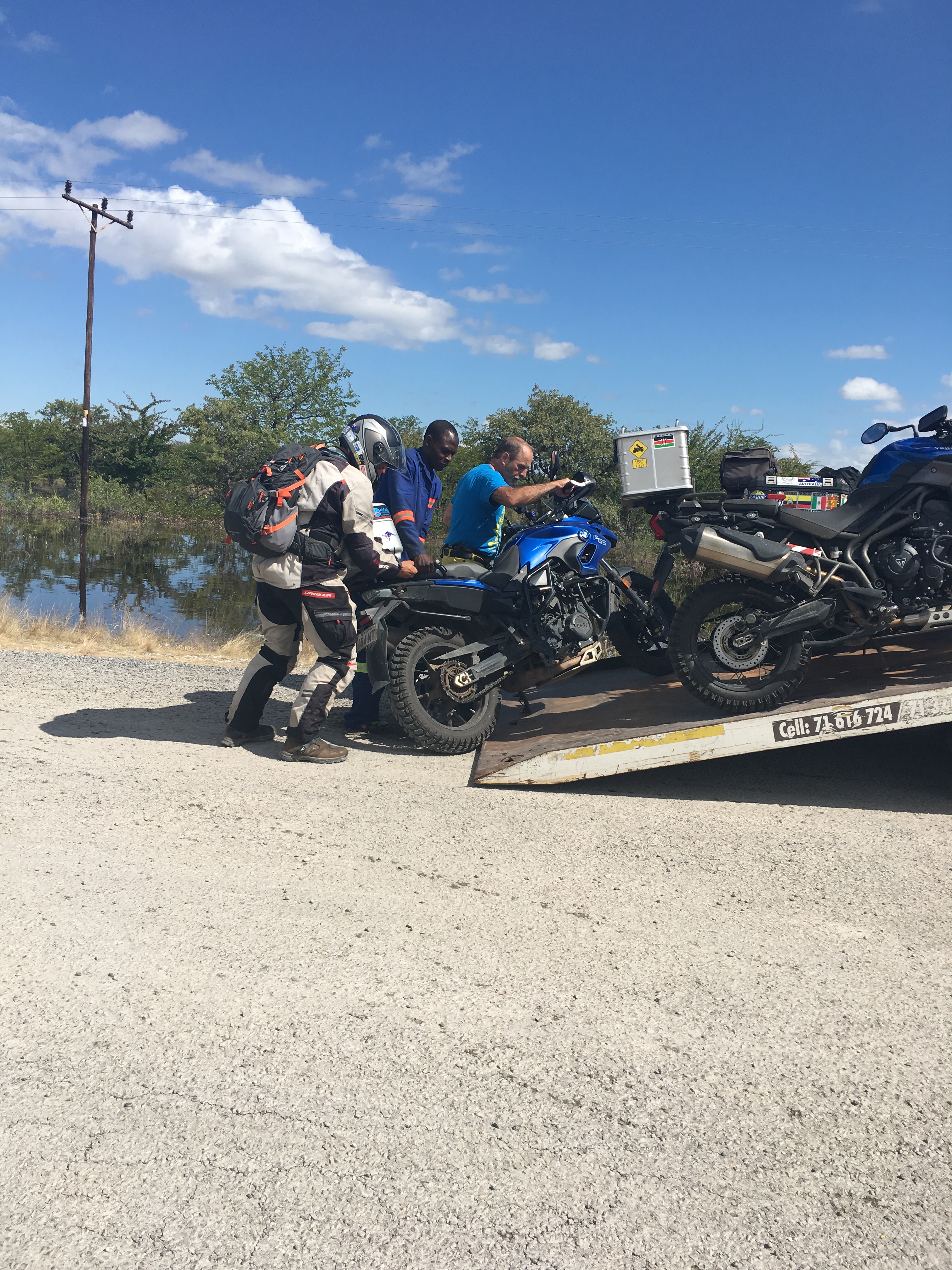

So a load up of the bikes was undertaken, with 5 managing to be squeezed on in one go. Then with us all on the back holding brakes on or whatever we could get hold of, it was off across the 2km stretch of water. The ride was surprisingly smooth, and no dramas of note occurred with all expected potholes avoided and no big lurches experienced. After happily taking photos and giving the local businessmen our thanks, to go with the negotiated 100 Botswana Pula (about A$15) per bike, we headed off along the short remaining distance into Planet Baobab.
The Planet was our home for two nights. The activities started with an evening bush walk, with lots of learning about local plants, including eating some surprisingly tasty berries, then popcorn that was sustainably harvested from a bowl while watching the sunset at a waterhole. Once the sun went down, listening to the sound of a billion mosquitoes out in the flooded wetlands had us trowelling on the Bushmans before making a strategic retreat to the lodge. That evening at dinner, a Bush Baby, which is like a small lemur with a cute name, leapt through the rafters, easily dodging the would-be paparazzi anxious to get a photo of the nocturnal beast.

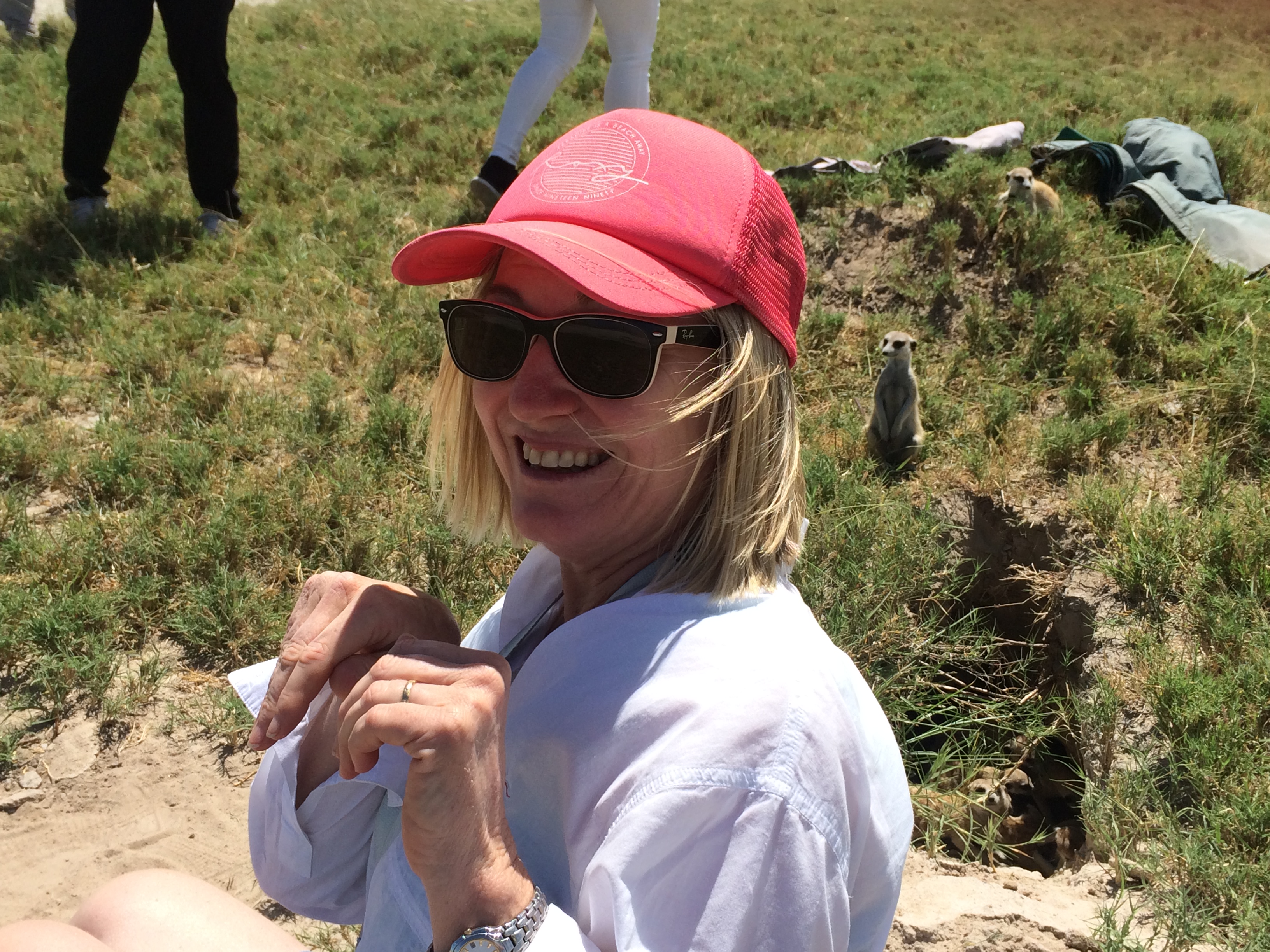
Day 62 was a safari out into a nearby reserve for the specific task of seeing meerkat. Safari is the Swahili word for “uncomfortable ride for hours on rough dirt road in the back of a 4WD with shot suspension”, but this one had the certainty of seeing a favourite. Some wild meerkat were seen after we’d got through the inevitable zebra and wildebeest, but then we landed amongst a swarm, which were very accustomed to humans trying to get cute photos. These would allow group members to sit right next to them, but like an aggressively ambitious corporate ladder climber at a company cocktail function, were always looking around to see if something or someone more important appeared.
The safari finished at lunchtime, which gave us a relaxing afternoon complete with nap before a few pre-dinners then dinner, at which no Bush Babies appeared, keeping the C2C “best photo ever” competition still wide open.

Day 63 started with the staff telling us that Bush Babies had been in plague proportions and posing cutely in family groups in perfect photography light in the dining area, if only we’d been there at 6am. After that never to be repeated opportunity was missed, we then moved onto a casual 216km ride due west to Maun, the capital of the Okavango Delta and the northern province of Botswana.
About the only major excitement of the ride was passing through the interestingly named town of Phuduhudu; although we passed through several national parks the availability of food and water kept all the wild animals off in the scrub, while mysteriously having the opposite effect on donkeys, cattle, and goats who seemed to find comfort in standing on the hot bitumen road out of the awful lush and delicious grass.

Once in Maun, following a re-fuel, we made our way into the Sedia Hotel including a driveway that required sand riding, where we re-united with the group. Primed for jokes that the Sedia Hotel was certainly seedier than more recent accommodation, our inflatable camping mattresses developed for use on prisoners at Guantanamo Bay and last used in Kenya were by now forgotten in the recent rash of 3.5 and 4 star berths. Duties in Maun included getting the bikes washed professionally for the first time since Nairobi, finding Rand for Namibia and South Africa, and hanging about the pool waiting for aperitif and dinner times to roll around.

A safari was booked for Day 64, this time not to see wildlife from the back of a 4WD, but instead from the traditional boat of the Okavango Delta tribes, known as a mokoro. The mokoro is a punt, with plastic chairs added for two people, and propelled by a captain who uses a pole from a gum tree (previously some other tree before the Australian product came along) to push the craft through the water over grasses and lilies while taking full advantage of the 3 inches of freeboard. The experience is very relaxing, assuming passengers are not sufferers of arachnophobia as loads of spider webs are crashed through dropping the tenants into the mokoro, or nervous about being close to hippos in an unsubstantial vessel with a substantial turning circle.

After the voyage, it was back to the hotel to continue with non-tourist activity such as shopping and hanging about the pool waiting for 5pm to come around so a guilt-free gin and tonic or beer could be ordered.
Day 65 halted our due west progress and forced us back north once more, with the thin strip of Namibia that looks like a barb pushed from the west into the flesh of Botswana, Angola, Zambia, and Zimbabwe the target for the crossing. The bike wash lady had warned us about the poor state of the road heading north which tracks the western side of the Okavango Delta and River, however locals can often be wrong or operating on hearsay, as apart from a few potholed sections it was good quality. Which was good news as we had 530km to go for the day so any delays on top of the border crossing would have made it long.
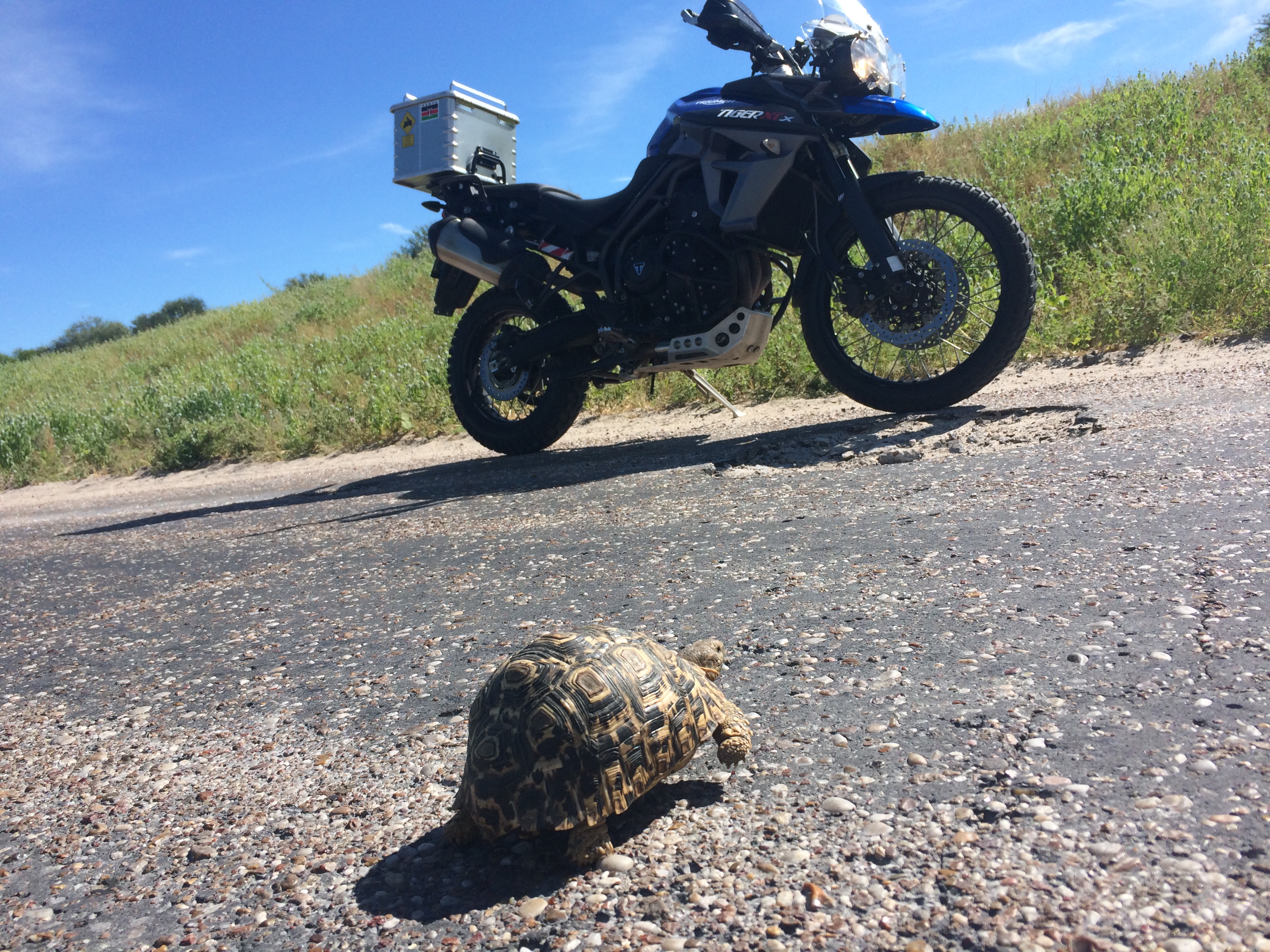
After a pleasant lunch, including coleslaw that pushed for nomination into the C2C coleslaw hall of fame and watching dung beetles go about their business in the dining area, we pulled into Mohembo for a remaining Pula spending blow-out on fuel, before slipping the couple of extra kilometres to the extremely quiet border station.
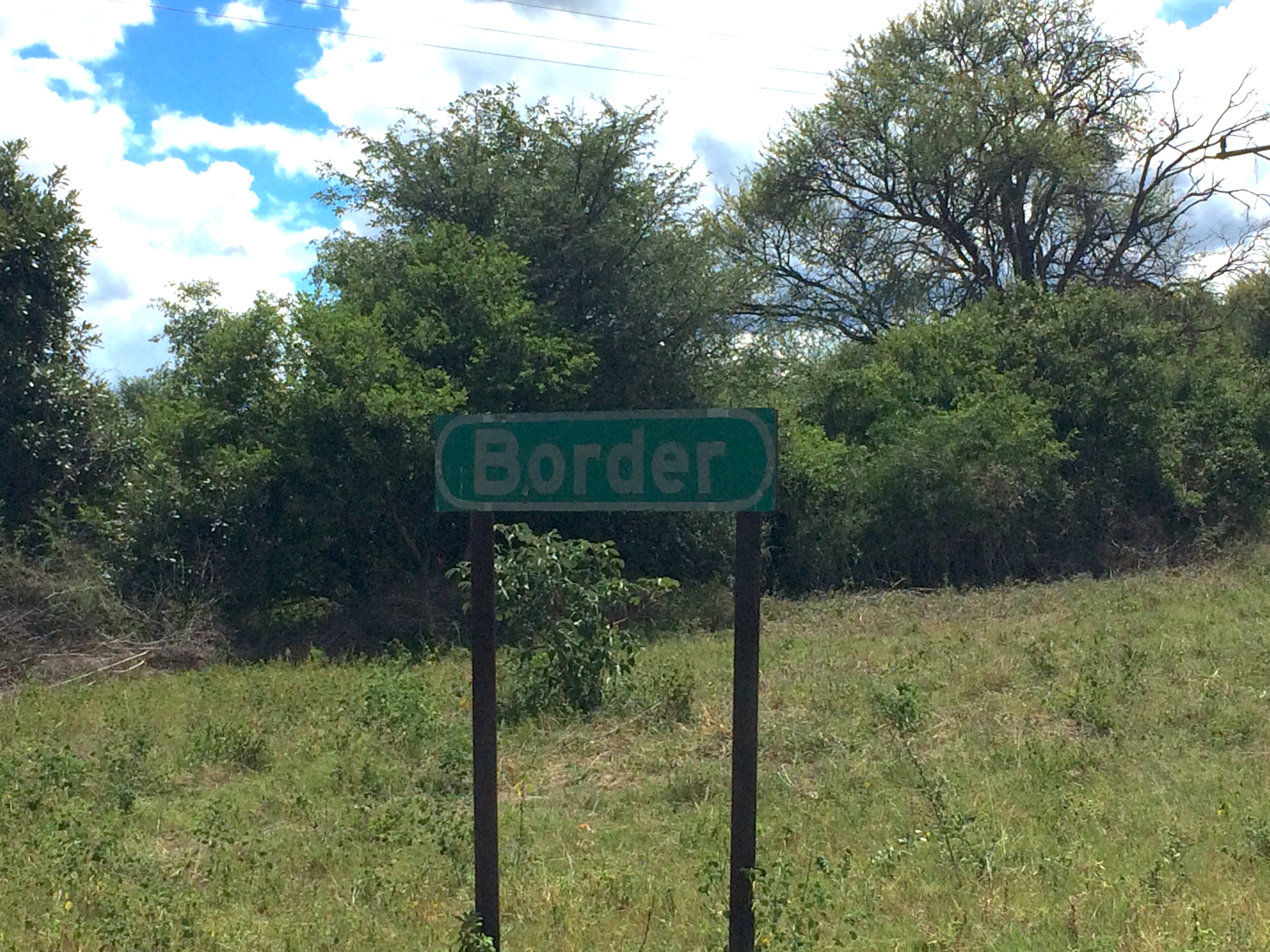
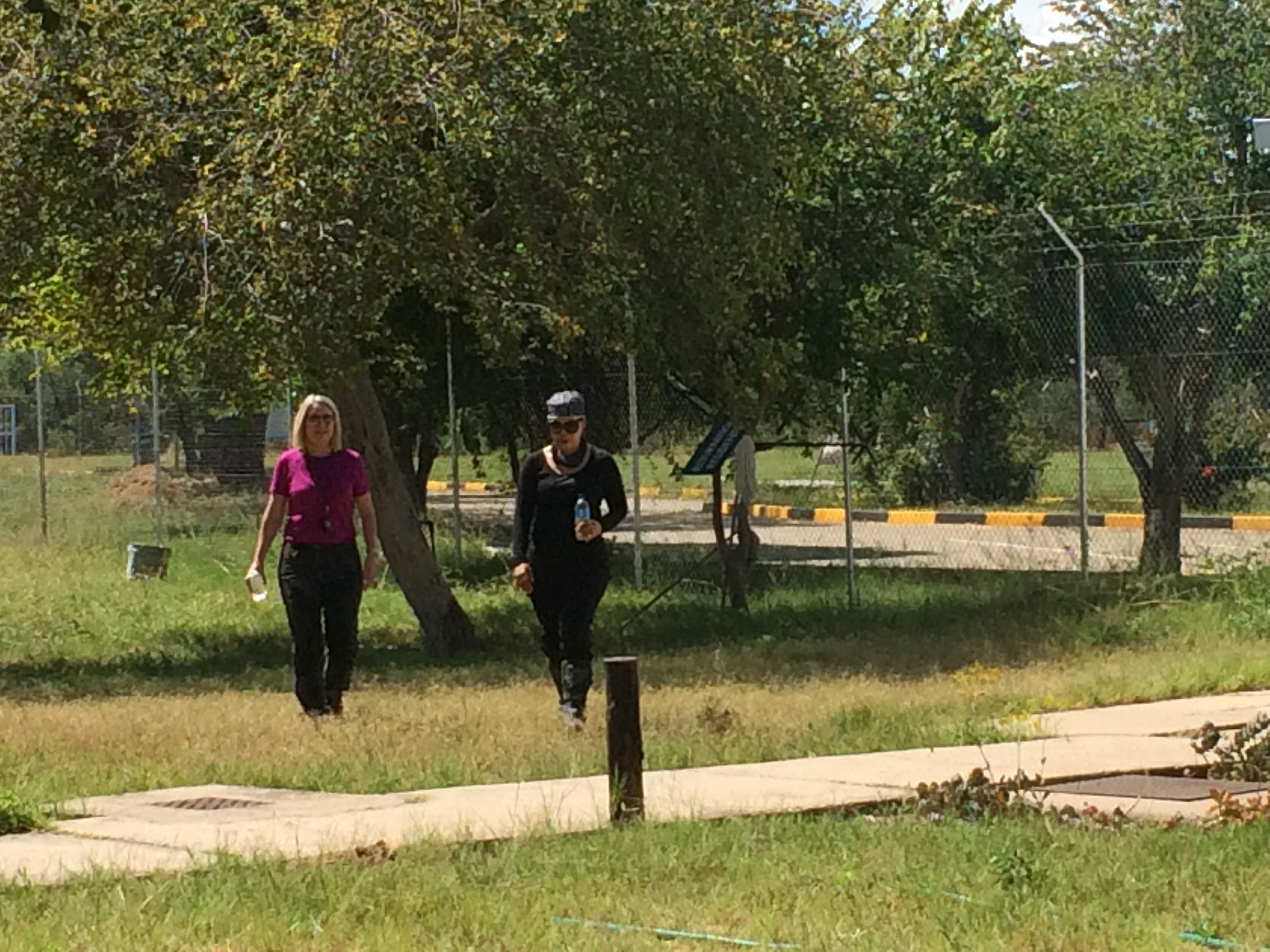
The departure from Botswana promised to be our most rapid, and it needed to be due to the heat keeping everyone in a lather. Overdressed riders were pushed into the gardens to find water hoses, a breeze, and shade while the carnets were being cleared through customs. Finally Bayne came bearing completed documentation, and we were forced to re-don soaked jackets to make the 250m ride into Namibia where it would all be stripped off again in front of a whole new set of officials.
Botswana is well known as one of the most stable African nations, and it is about as close to easy and normal as it gets for western tourists to the continent, with everything available and English spoken by practically everyone. The spaces are wide in the north, and the road quality was up there with the best of the trip, albeit with lots of stock on the roads but that was probably an abnormal situation due to the flooding. Fuel was about $1/litre, so cheaper than Zimbabwe, and daily essentials such as good South African red wines were plentiful. Because of flooding, wildlife was very wide spread, but we still easily managed to catch sight of a few, and the wandering elephant and the meerkat were particularly high on the list of great experiences during the 6 days. The Bush Baby didn’t make the list because no-one got a photo so we can’t prove it, and wifi is poor as I write this so I can’t just get a shot from Google Images to claim.
9 down. 2 to go. 12,300km ridden. Bounced between 17 and 20° south heading west, weather warm when stopped but still very pleasant.
 travellingbennetts